Preserving a Historic Cleveland Landmark Through Façade Restoration
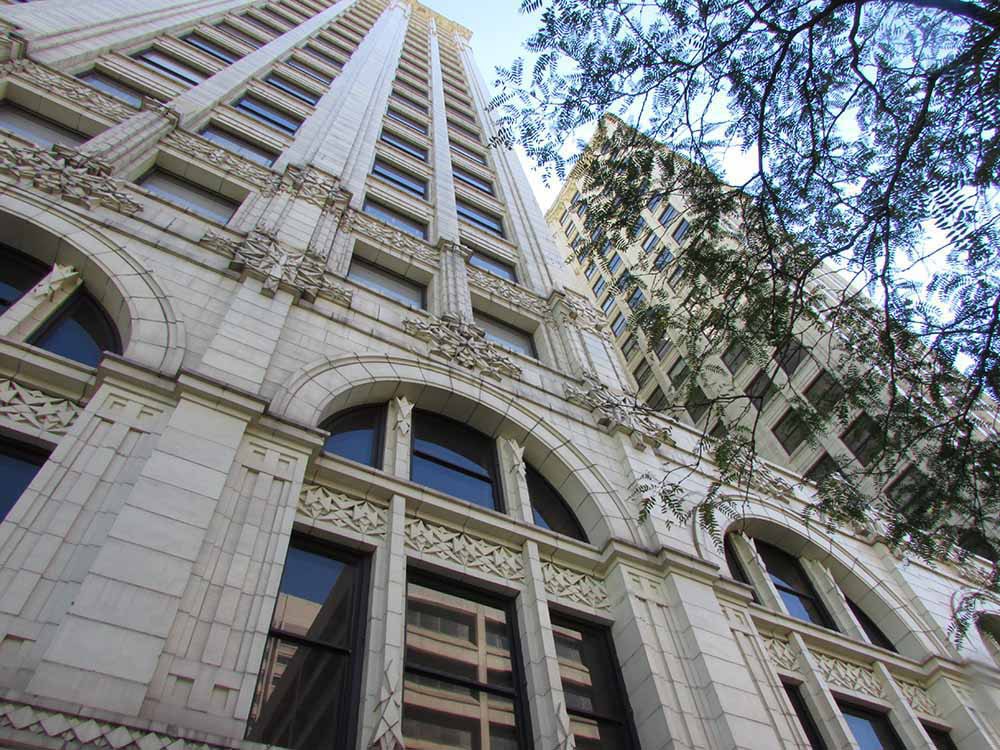
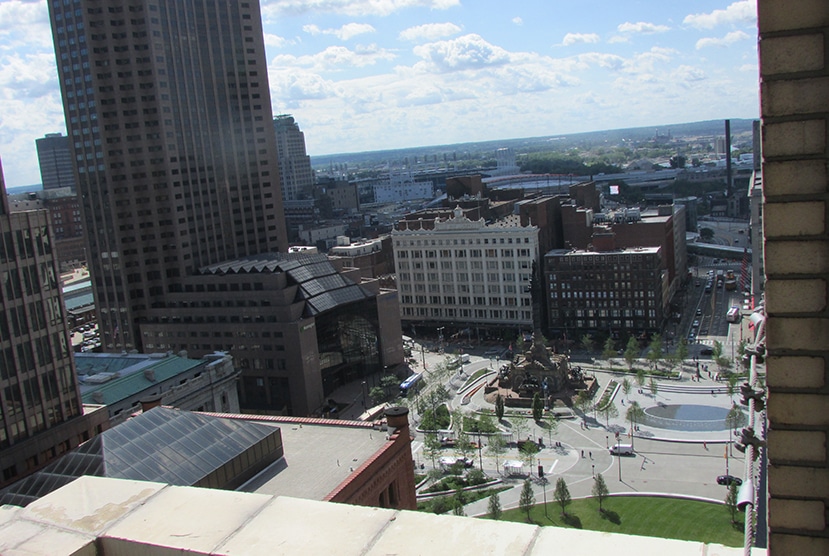
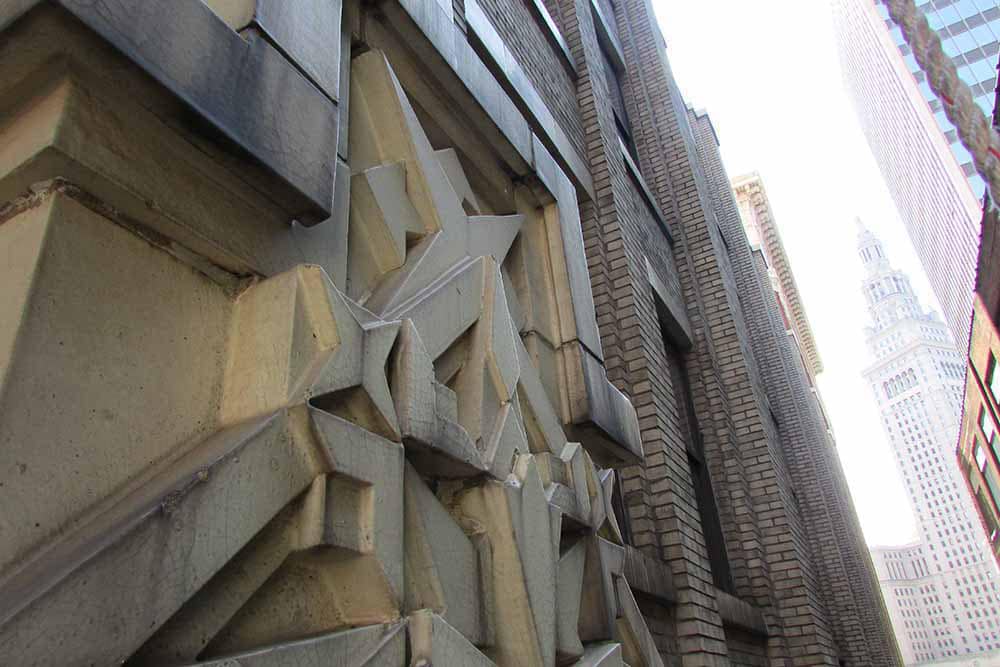
Technical Assurance was engaged by Weston Development Corp. to evaluate and support the restoration of the Standard Building, a 21-story historic high-rise in downtown Cleveland. Built in 1924, the building encompasses approximately 400,000 square feet and features an exterior composed primarily of glazed architectural terra cotta and brick masonry, with granite at the ground level.
The façade work was part of a $60 million historic preservation and renovation project requiring an approach that balanced existing building conditions, long-term performance, structural integrity, and preservation of the building’s architectural character.
Evaluating Conditions Above and Below the Façade Surface
Technical Assurance performed a comprehensive façade evaluation that included assessment, testing, exploratory work, planning, reporting, and cost estimating. The investigation evaluated both surface and subsurface conditions to establish the lifecycle condition of the existing building enclosure and identify appropriate restoration priorities.
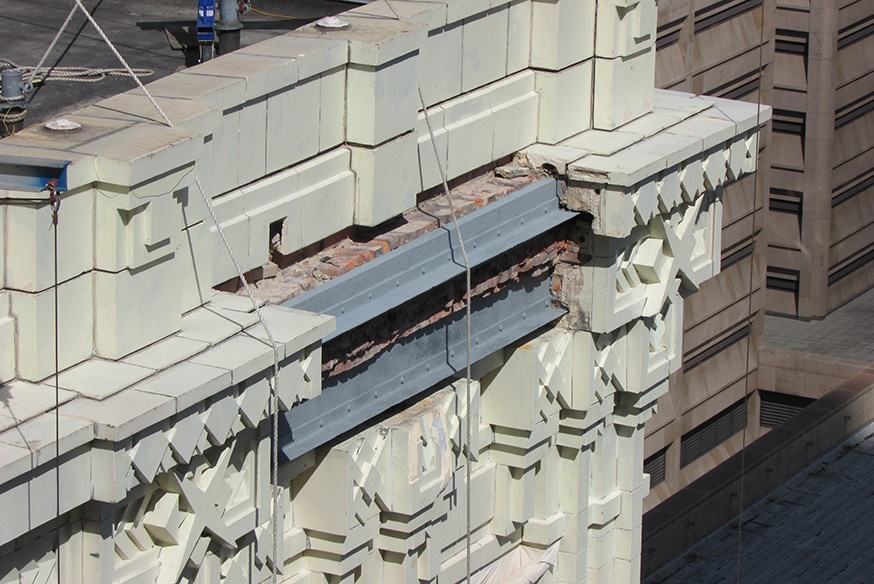
The evaluation identified concerns extending beyond the visible façade, including issues involving the building’s structural steel. While the building was determined to be in overall fair condition, some structural components were found to be in poor-to-failed condition.
Technical Assurance used the findings to develop a quantified restoration, repair, and maintenance program with phasing options, helping the owner establish a realistic strategy for addressing identified conditions while maintaining the historic character of the structure.
Carrying Assessment Findings Into Restoration
Following the façade analysis, Technical Assurance’s role continued into design and construction. Services included design review, bid qualification and review, scope review, contract award assistance, project management, administration, and full-time quality observation.
The detailed understanding developed during the initial assessment allowed Technical Assurance to establish a realistic restoration scope for contractor bidding and carry the project’s condition findings forward into implementation.