Prioritizing Roof Investments Around Utility Operations and Long-Term Risk
Orange Water and Sewer Authority (OWASA) partnered with Technical Assurance to establish a long-term capital planning framework for critical roof assets. As a public utility responsible for continuous service delivery, OWASA needed a data-driven approach to managing aging infrastructure. The strategy also needed to balance near-term risk, lifecycle performance, and long-range financial planning.
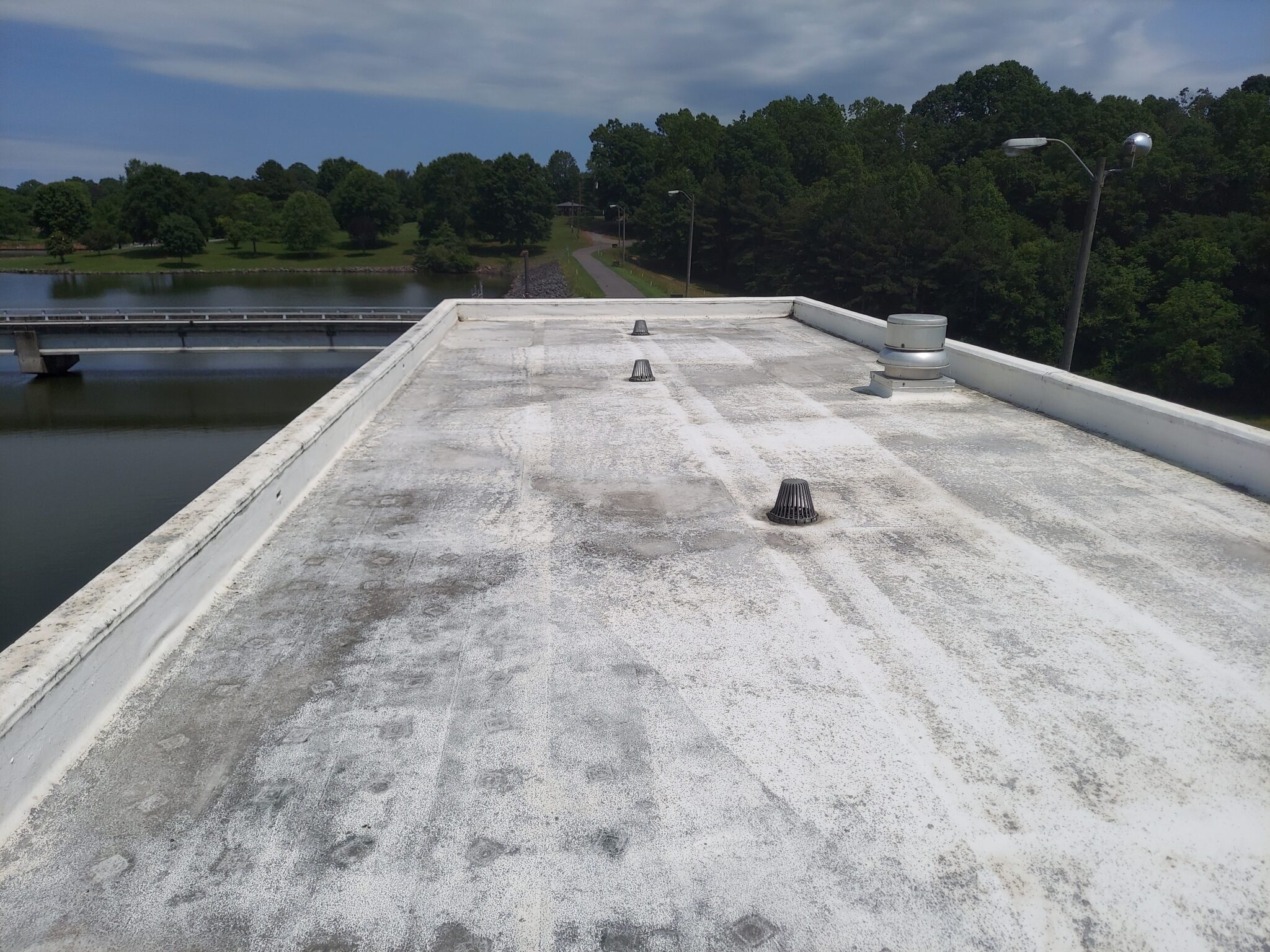
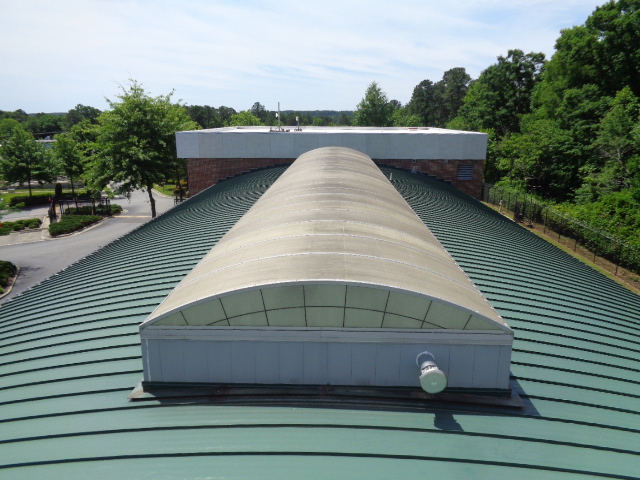
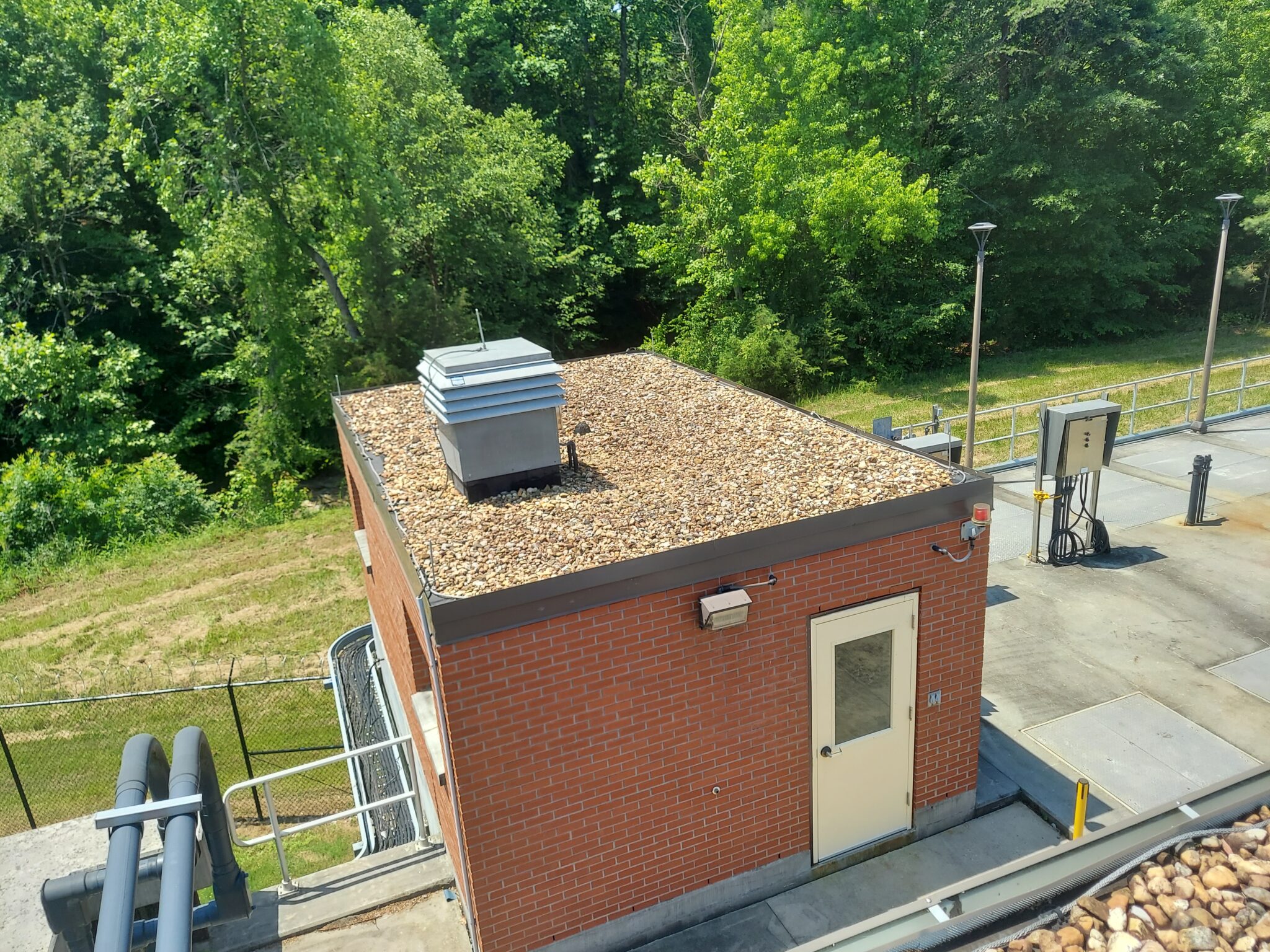
The initial ON-PNT® pilot included more than 70 roof sections totaling approximately 129,000 square feet. The portfolio encompassed treatment facilities, pump stations, administrative buildings, and other mission-critical structures.
Connecting Roof Condition With Mission Criticality
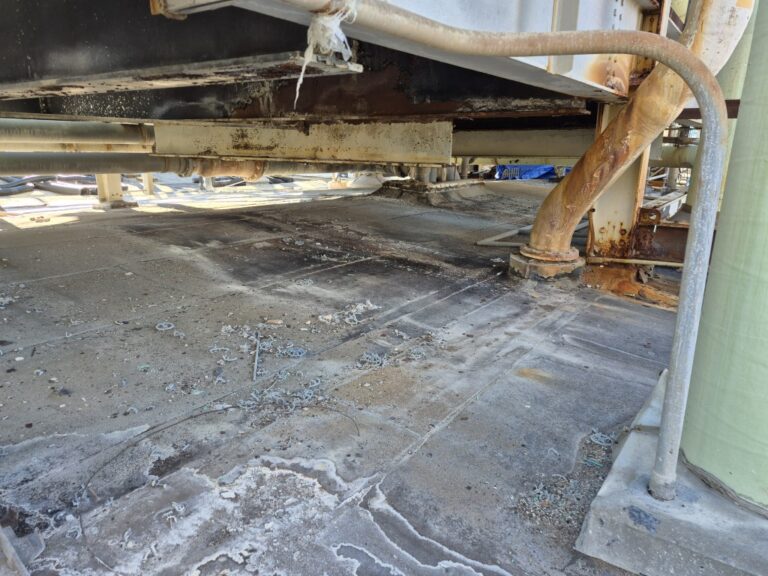
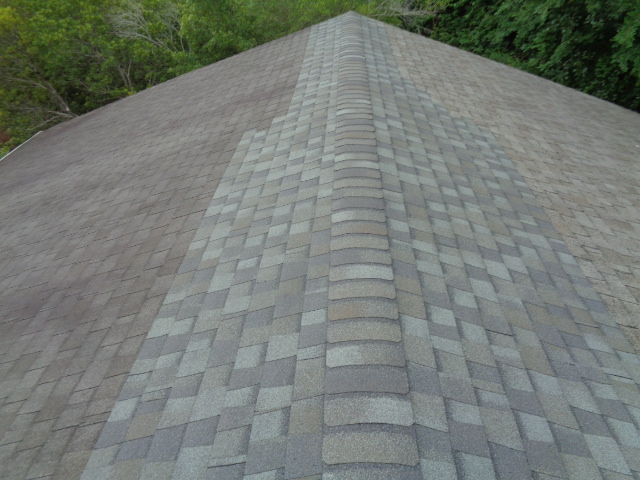
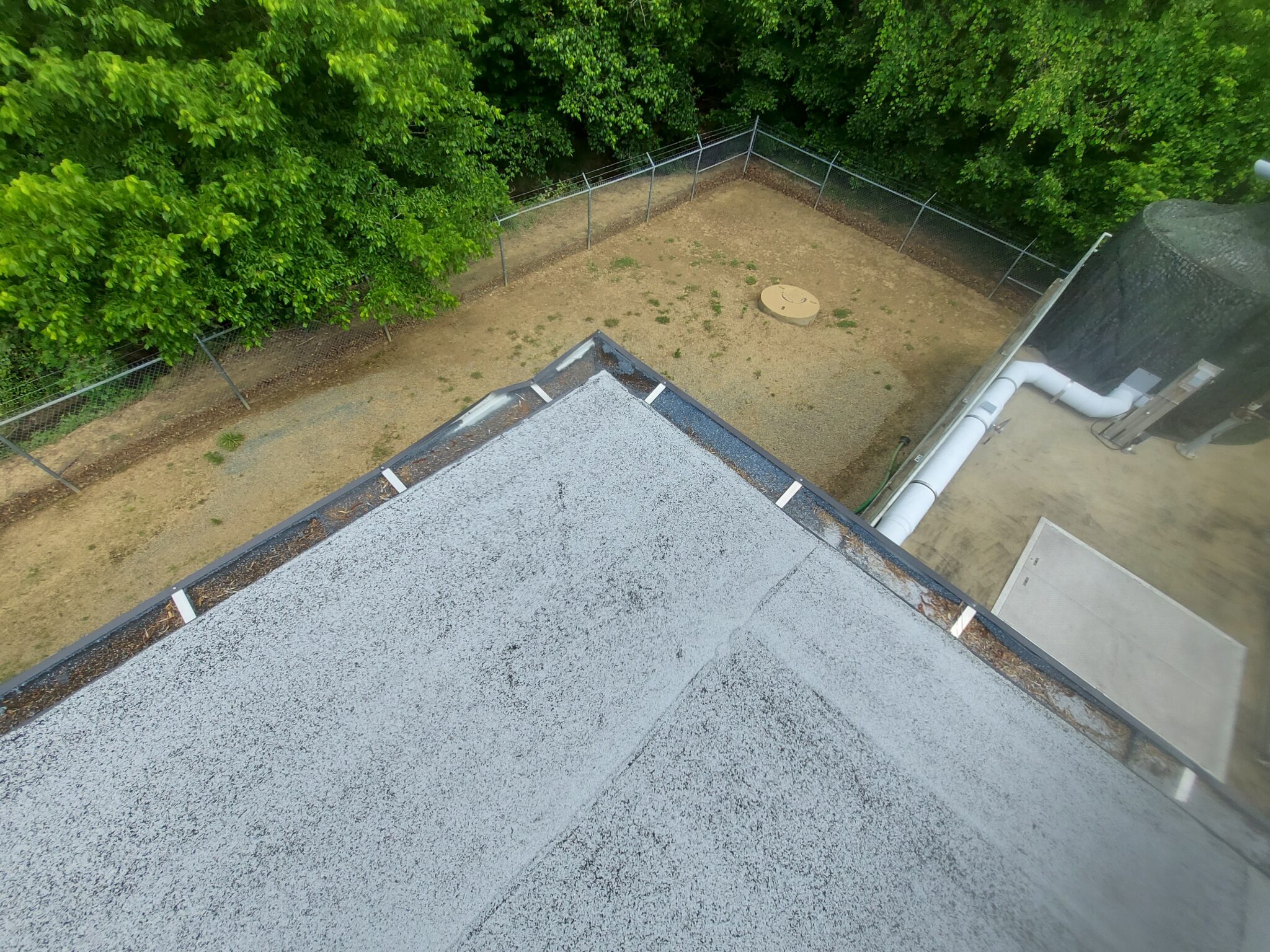
Technical Assurance assessed existing conditions and documented system-specific deficiencies across the portfolio. ON-PNT® was used to establish asset condition and remaining service life. The program also captured mission dependency to distinguish roofs supporting critical utility operations from assets with lower operational impact.
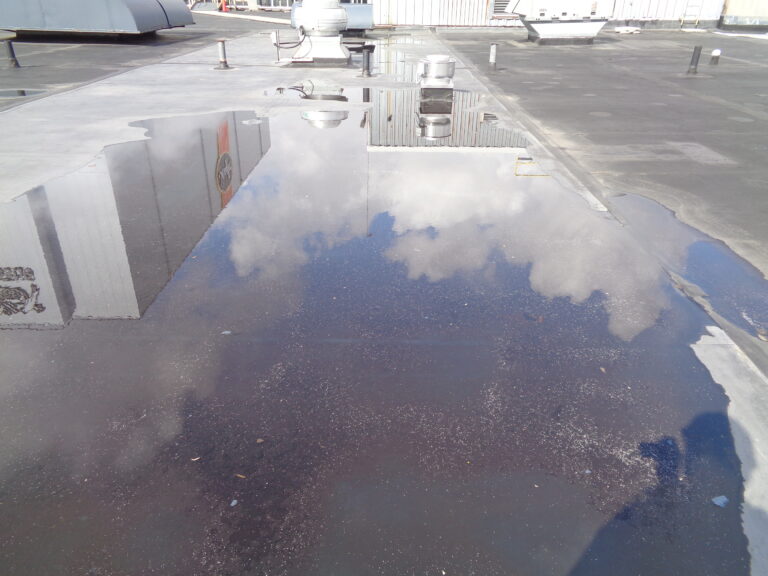
The assessments identified a significant concentration of roofs in poor, bad, very bad, or failed condition. These assets presented an increased risk of unplanned failures and reactive spending if conditions were left unaddressed.
Rather than evaluating each deficiency in isolation, Technical Assurance analyzed the portfolio as a whole. The program incorporated remaining service life, repair and preventive maintenance scenarios, and projected Total Cost of Ownership to help OWASA understand the long-term effect of different investment strategies.
Identifying Opportunities to Extend Service Life and Reduce Costs
The analysis demonstrated how targeted repairs and structured preventive maintenance could extend the useful life of viable roof systems. This approach could also defer major replacements and reduce the potential for costly emergency response.
The pilot identified up to $1.1 million in potential long-term Total Cost of Ownership savings by shifting investment from reactive replacement toward planned lifecycle management. This provides particular value for a public utility operating within defined budgets, public accountability requirements, and long capital planning horizons.
Creating a Defensible Framework for Capital Prioritization
Technical Assurance combined roof condition metrics with mission dependency scoring to establish a transparent method for prioritizing projects. This framework helps OWASA direct available funding toward assets presenting the greatest combination of physical condition and operational risk.
The ON-PNT® pilot provided more than a snapshot of current roof conditions. It established a scalable decision-making framework connecting asset performance, financial planning, and operational reliability. The Roof Asset Management Program is ongoing as OWASA continues to use this foundation to support long-term management of its roof portfolio.