Verifying Enclosure Performance Before Full-Scale Installation
Technical Assurance provided building enclosure commissioning (BECx) and consulting services during construction of a large-scale semiconductor fabrication facility consisting of two manufacturing modules. The assignment supported the Owner’s quality objectives through design review, pre-construction coordination, construction-phase quality observation, and performance testing of critical building enclosure assemblies.
Building Performance Into the Project Early
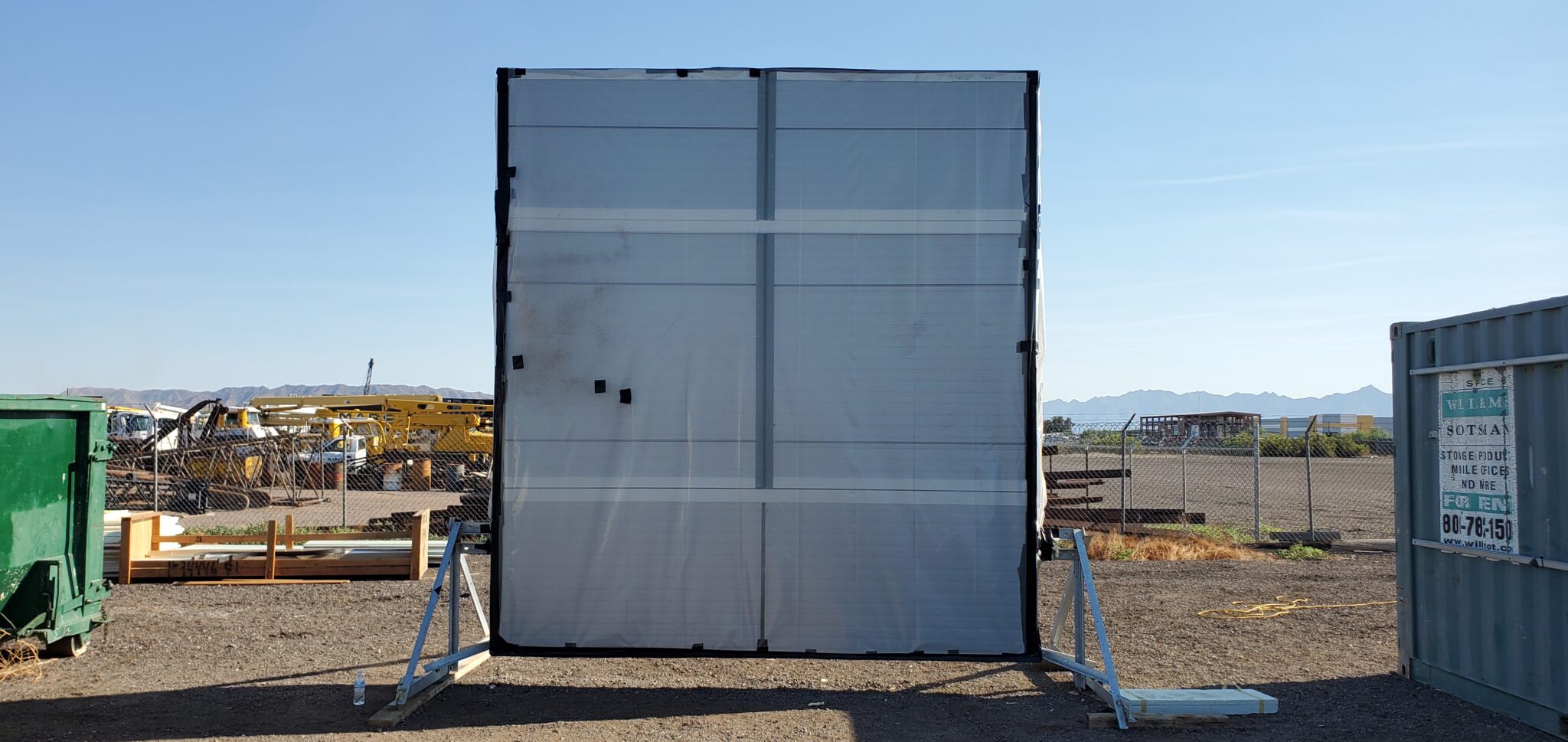
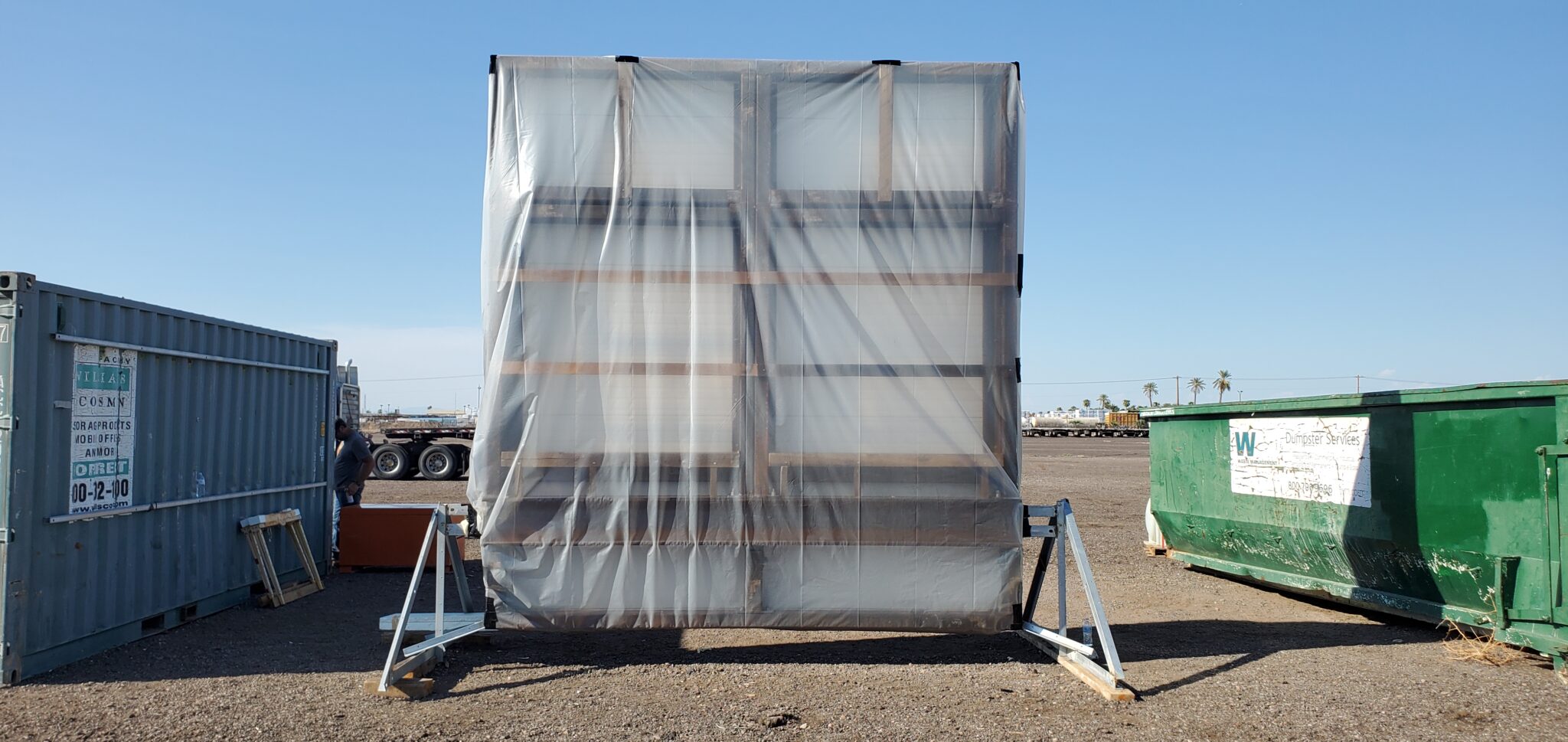
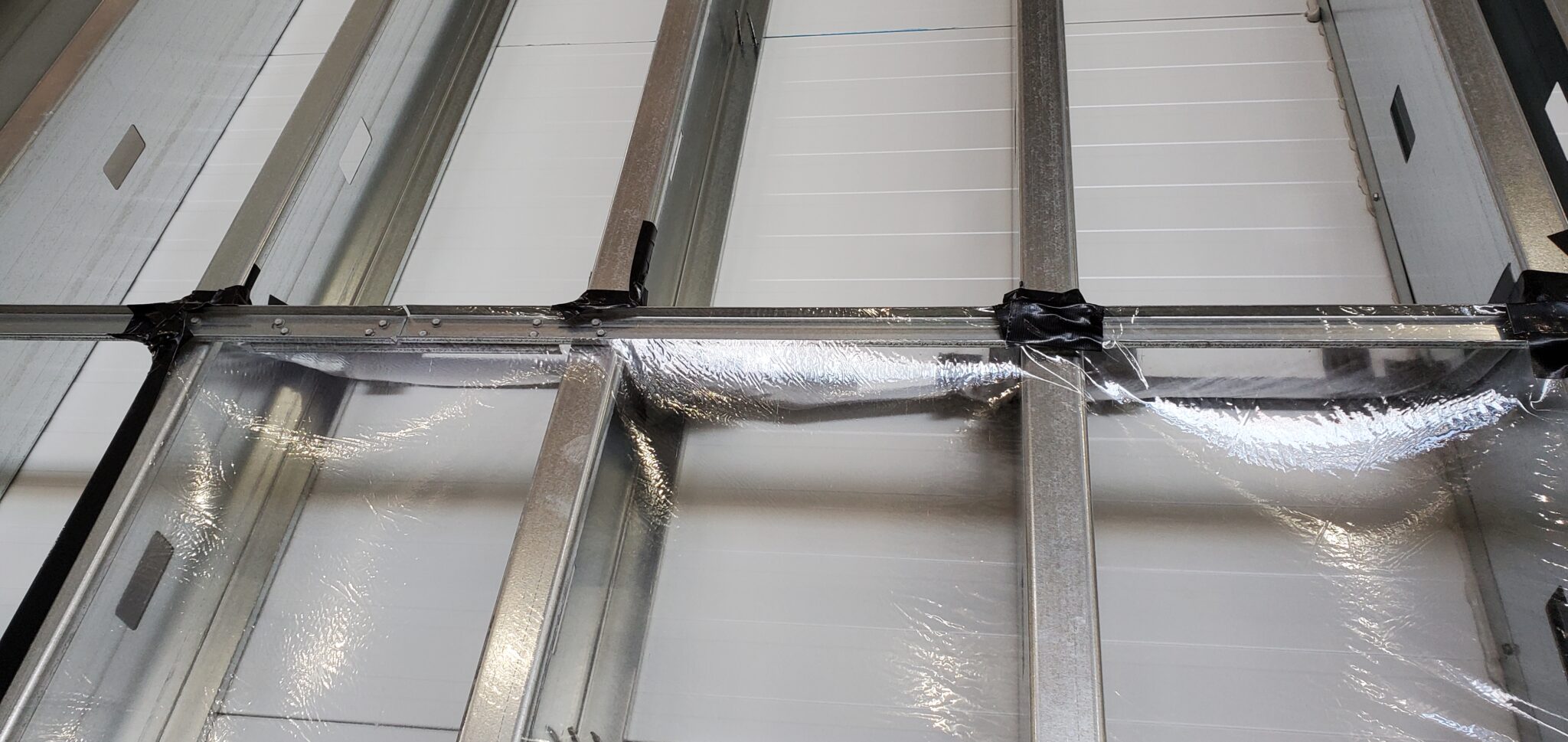
During design and pre-construction, Technical Assurance independently reviewed enclosure drawings and specifications, participated in project review meetings, completed back-checks of design comments, and evaluated exterior enclosure shop drawings and technical submittals. The team also conducted off-site mock-up testing of insulated metal panel assemblies before similar conditions were incorporated throughout the facility.
Early testing identified discontinuities associated with sealant installation and panel detailing. This allowed the project team to modify the assemblies and confirm performance through retesting before those conditions were repeated across the facility.
Construction-Phase Quality Observation
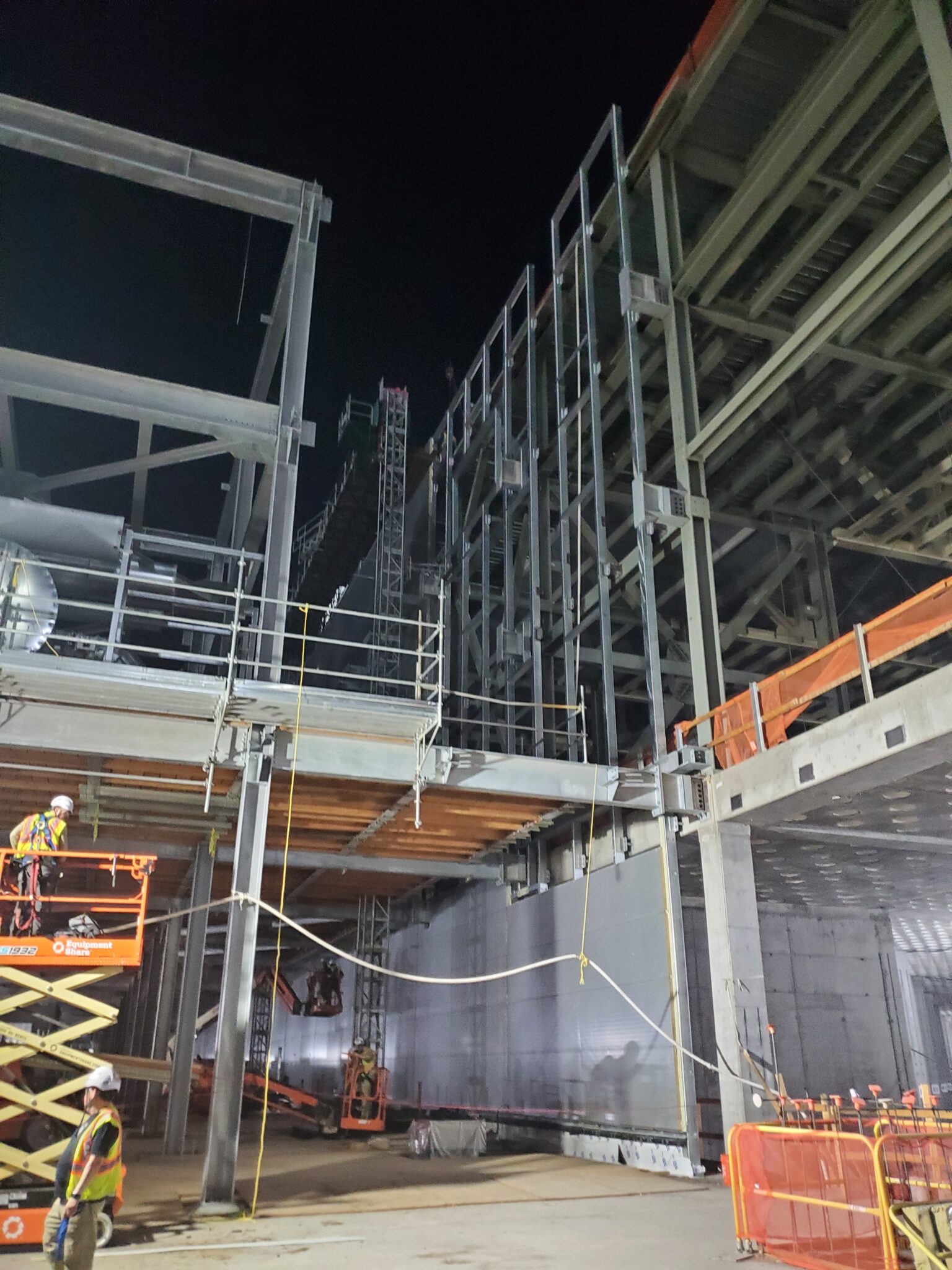
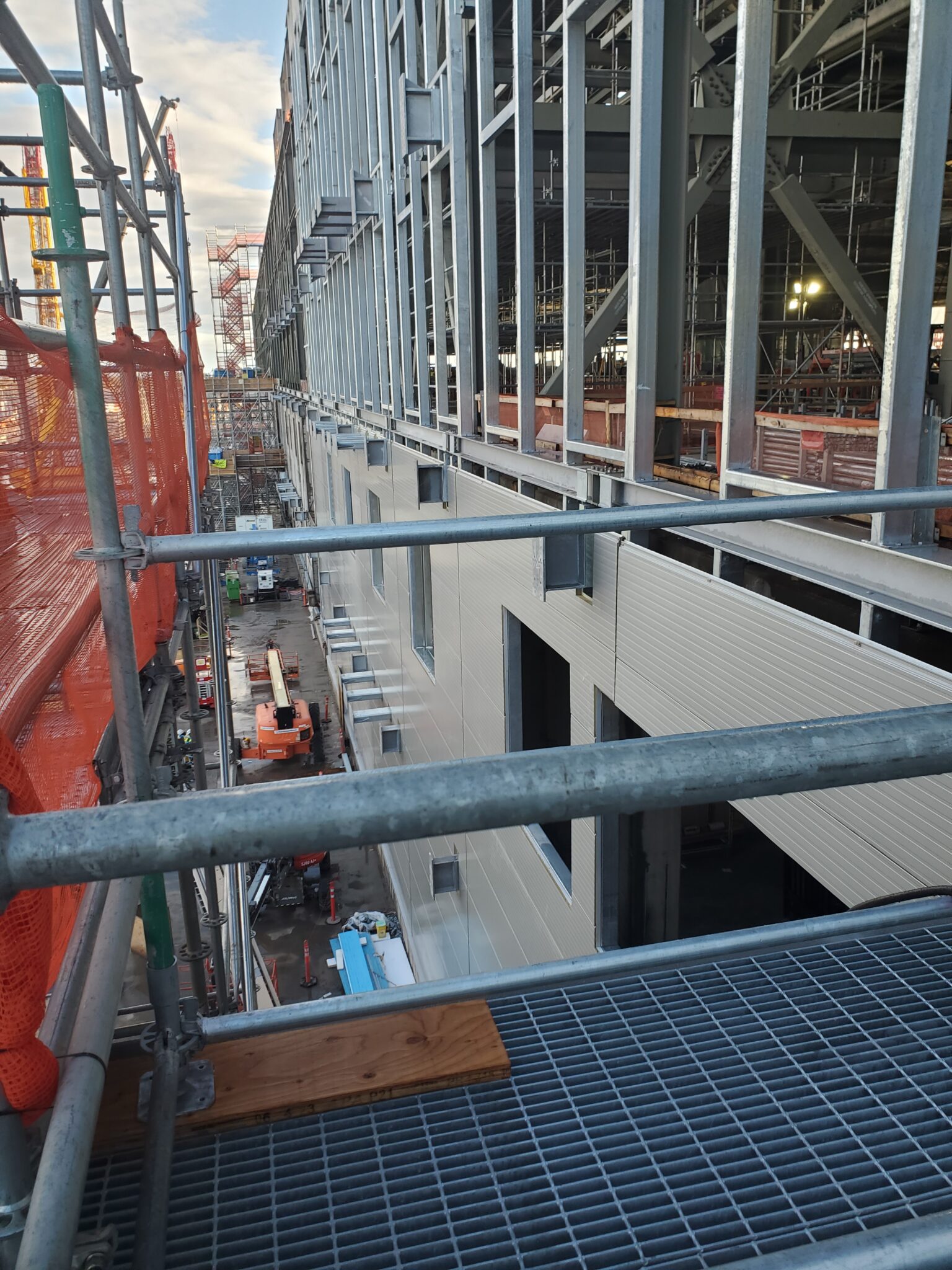
Construction-phase services focused on installation quality and continuity across critical enclosure interfaces, including:
- Insulated metal panels
- Flashings and sealants
- Penetrations
- Air and water control transitions
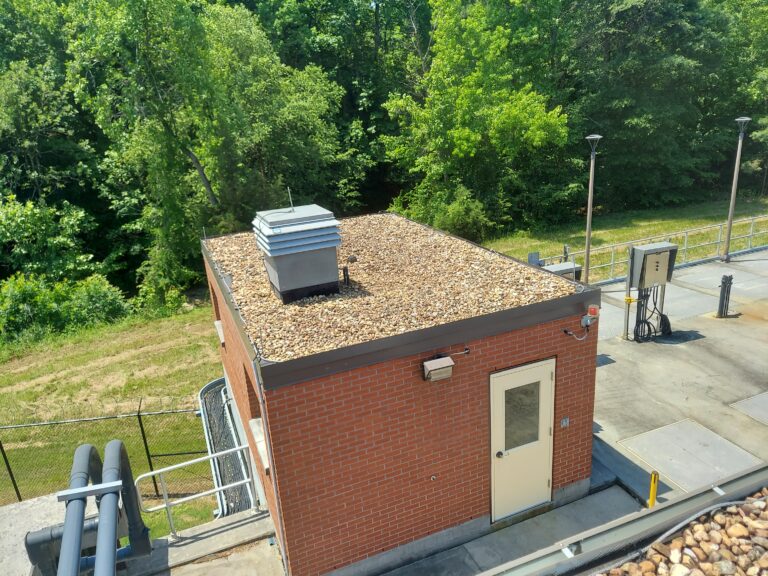
- Roof interfaces
- Related enclosure details
Technical Assurance documented observations, communicated findings to the project team, and evaluated corrective work where performance deficiencies were identified.
Performance Testing and Verification
Technical Assurance performed and coordinated field performance testing of representative enclosure assemblies and details, including ASTM E783 air infiltration testing, ASTM E1105 water infiltration testing, and AAMA 501.2 water hose testing. Evaluations also addressed wall assemblies, penetrations, doors, transition conditions, and drainage components.
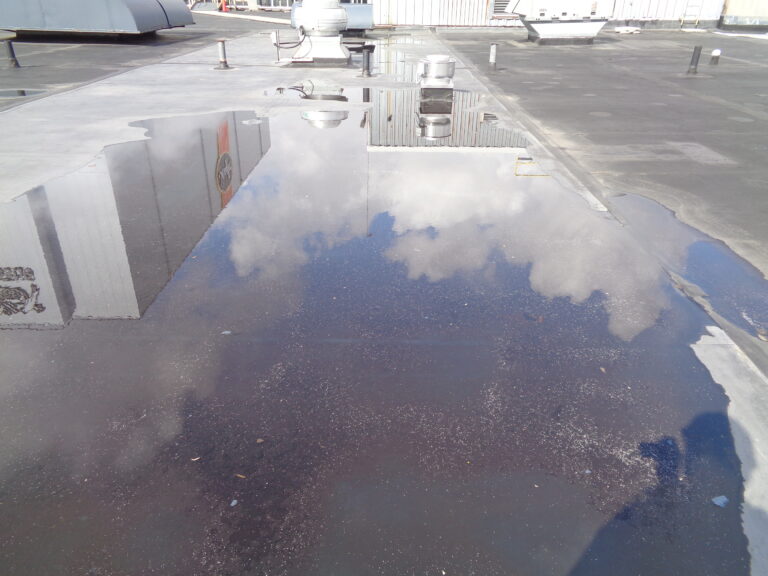
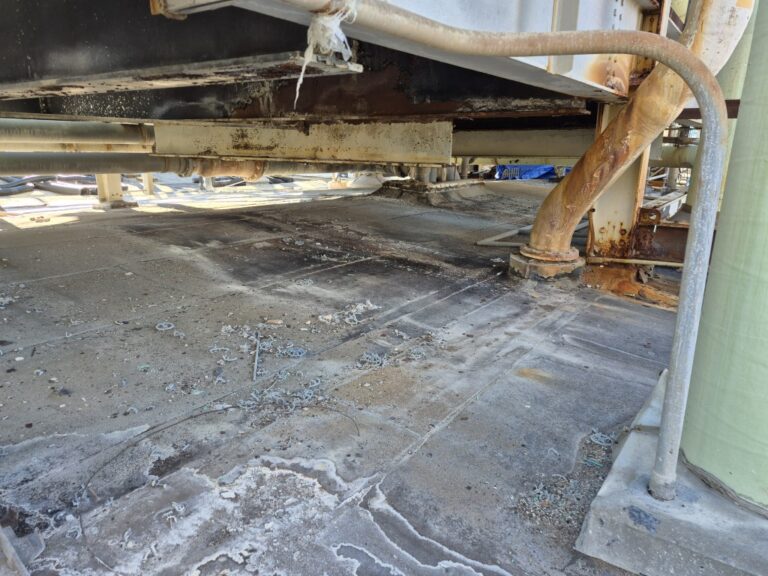
Testing identified localized conditions requiring corrective action. Following repairs, subsequent testing documented successful performance of corrected assemblies, helping verify enclosure performance before project completion.