
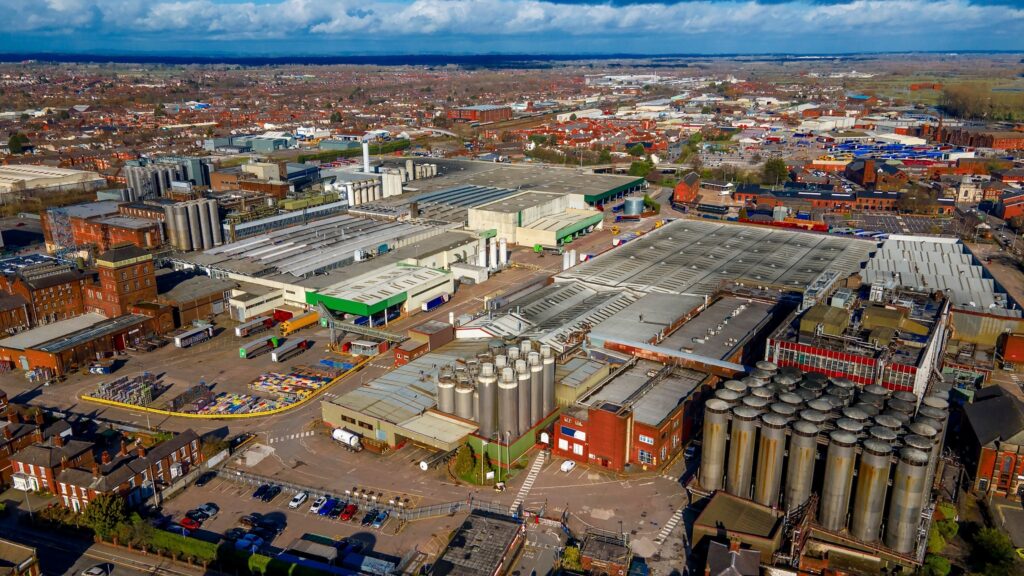
Manufacturing facilities are often exposed to environmental conditions that place significant stress on building envelope systems. In industries such as paper and pulp, packaging, and food processing, interior operations can generate heat, humidity, chemical vapors, and mechanical loads that affect roof performance over time.
While many commercial roof systems are designed to perform under typical weather exposure, manufacturing facilities frequently introduce additional environmental pressures that accelerate deterioration. Understanding how these conditions affect roof assemblies—and planning for them during design, maintenance, and renovation—can help manufacturers protect production environments and extend system life.
Environmental Conditions That Stress Roof Systems
Manufacturing processes often create interior conditions that differ substantially from typical commercial buildings. Elevated humidity levels are common in many industrial operations, particularly in paper production and certain food processing environments.
Moisture generated during production can migrate upward through the building envelope as vapor. When this vapor encounters cooler surfaces within the roof assembly, condensation may occur inside insulation layers or beneath roof membranes. Over time, this trapped moisture can reduce insulation performance, weaken fasteners, and accelerate deterioration of roofing materials.
Chemical exposure can also contribute to premature roof system degradation. Process exhaust systems may release chemical vapors or byproducts that interact with roofing materials, gradually affecting membrane performance and durability. These conditions mean that roof systems in manufacturing environments often experience stresses beyond those anticipated in standard commercial construction.
Rooftop Equipment and Mechanical Loads
Manufacturing facilities typically require extensive rooftop mechanical equipment to support ventilation, exhaust, and environmental control systems. Large HVAC units, process exhaust fans, and other mechanical installations increase the structural and functional demands placed on the roof.
Each rooftop installation introduces additional penetrations through the roof assembly. Over time, these penetrations can become potential leak points if flashing and detailing are not properly designed or maintained.
Mechanical equipment can also introduce vibration and movement that affect surrounding roof materials. Repeated vibration from fans or exhaust systems may gradually loosen fasteners, stress flashing components, or contribute to membrane wear near equipment supports. As rooftop equipment is modified or expanded during facility upgrades, these factors can become even more significant if roof systems are not carefully coordinated with mechanical installations.
Moisture Management and Drainage
Proper moisture management is critical in manufacturing environments where humidity and condensation may already be present within the building. Roof assemblies must be designed to manage both external weather exposure and internal vapor migration.
Effective drainage systems play a key role in protecting roof performance. When roof drains or scuppers become obstructed or insufficient for the roof design, standing water may accumulate on the roof surface. Ponding water increases stress on roofing membranes and can accelerate deterioration, particularly when combined with temperature fluctuations and chemical exposure.
In facilities where production environments generate significant moisture, regular inspection of drainage systems becomes particularly important. Maintaining clear drainage paths helps prevent conditions that can shorten the life of roof systems.
Designing for Durability
Manufacturing facilities benefit from roof systems designed with durability and environmental conditions in mind. Selecting materials compatible with the facility’s operational environment can significantly improve long-term performance.
For example, facilities with elevated humidity or chemical exposure may require roofing materials and insulation assemblies capable of resisting these conditions. Proper vapor control strategies can also help reduce moisture migration into the roof system. In addition, careful detailing around rooftop penetrations, equipment curbs, and flashing components helps maintain watertight performance over time. Because manufacturing facilities frequently modify rooftop equipment as processes evolve, roof designs that allow for future modifications can reduce the risk of unintended damage during upgrades.
Design decisions made during roof replacement or major renovation projects often have long-term implications for system performance in demanding industrial environments.
Supporting Long-Term Roof Performance
Maintaining roof systems in process-heavy environments requires ongoing attention and coordination between facilities teams, maintenance personnel, and building envelope specialists.
Periodic inspections can help identify early signs of deterioration, moisture intrusion, or drainage problems before they affect interior operations. Monitoring roof performance over time also allows organizations to identify patterns related to environmental conditions or equipment installations.
When roof systems are managed proactively, manufacturers can reduce the likelihood of unexpected failures and better protect the production environments that support continuous operations.
Looking Ahead
Managing roof systems in demanding manufacturing environments requires more than isolated repairs or short-term maintenance strategies. Facilities that successfully protect continuous operations typically combine proactive inspections, durable system design, and long-term capital planning across their building portfolios.
In the coming months, we will compile the insights from this article series into a comprehensive Manufacturing Envelope Strategy White Paper. This resource will explore how manufacturers can reduce operational risk, stabilize capital planning, and protect production environments through a coordinated approach to building envelope management.
Protecting Your Manufacturing Facilities
If your organization operates manufacturing facilities exposed to high humidity, demanding process environments, or aging roof systems, developing a proactive building envelope strategy can help reduce operational risk and stabilize capital planning. Technical Assurance works with manufacturers to evaluate facility conditions, plan roof system improvements, and coordinate projects in active production environments.
Request a consultation to discuss how Technical Assurance’s building envelope specialists and ON-PNT® Enterprise Building System Management Solution can help support long-term facility performance across your manufacturing portfolio.